

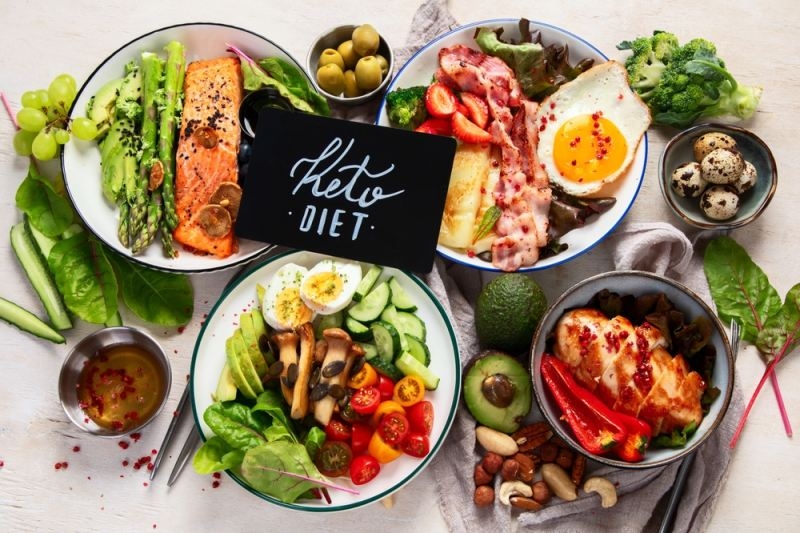
On paper, keto looks simple enough: low carbs, more fat, moderate protein. But in real life, it’s a little trickier. Anyone can ditch bread and sugar, but actually putting together meals that feel satisfying, balanced, and convenient? That’s where people trip up. Keto gets attention for weight loss and certain health issues, but don’t assume it’s automatically healthier just because you go low-carb.
The details still count. You have to choose good ingredients and find a routine you can stick with; otherwise, you’re back to square one. Some people love how full they feel on keto, but others hit a wall with headaches, constipation, fatigue, or just feeling deprived—especially at the start. This blog will dig into what keto really means, what you can eat, how to make actual meals, plus the good, the tricky, and tips for staying safe.
The keto diet is a very low-carbohydrate, high-fat eating pattern. The goal is to reduce carbohydrate availability enough for the body to produce more ketones and use them as an energy source. Protein is usually kept moderate rather than unlimited.
For a keto diet for beginners, the important point is that this is not simply an “eat bacon and butter” approach. A better version includes vegetables, eggs, fish, nuts, seeds, avocado, olive oil, and other nutrient-rich foods.
A ketogenic diet commonly restricts carbohydrates far more than an ordinary low carb diet. Very-low-carbohydrate approaches may target roughly 20–50 grams of non-fiber carbohydrate daily, though individual approaches differ.
The keto diet also changes how meals are built. Instead of rice, bread, pasta, or potatoes forming the center, protein and non-starchy vegetables often take that role, with fat added for energy and fullness.
Don't Miss: Break Free from Diet Culture and Eat Without Rules
The phrase keto foods covers much more than meat and cheese. A practical keto diet should include variety because eliminating whole food groups can make it harder to obtain fiber, vitamins, and minerals.
Good choices include:
A keto diet plan should be practical enough to repeat. Fancy recipes are not required. Start by choosing a protein, adding low-carbohydrate vegetables, then using a sensible fat source.
For a keto diet for beginners, a simple day could look like eggs with spinach at breakfast, grilled chicken with salad and olive oil at lunch, then salmon with roasted cauliflower for dinner. Nuts or unsweetened yogurt can work as snacks when needed.
| Meal | Basic Option | More Varied Option |
|---|---|---|
| Breakfast | Eggs and spinach | Omelet with mushrooms and cheese |
| Lunch | Chicken salad | Tuna, avocado and leafy greens |
| Dinner | Salmon and cauliflower | Chicken, zucchini and olive oil |
| Snack | Nuts | Plain Greek yogurt with seeds |
The better keto diet plan is usually the one you can actually maintain. If every meal requires unusual ingredients or complicated preparation, adherence gets harder. Keep a few reliable meals ready instead.
Suggested Reading: Clean Eating Benefits and Healthy Eating Plan Tips Handbook
A low carb diet can mean many things. It may reduce carbohydrates without pushing intake low enough to produce sustained nutritional ketosis. The keto diet is therefore a more restrictive form of carbohydrate reduction.
This distinction matters. Someone eating fewer refined grains and added sugars may be following a low carb diet, but that does not necessarily mean they are following a ketogenic diet.
| Feature | Keto Diet | Low Carb Diet |
|---|---|---|
| Carbohydrate restriction | Very high | Moderate to high |
| Ketosis | Usually intended | Not necessarily intended |
| Food flexibility | Lower | Higher |
| Long-term practicality | Can be challenging | Often easier |
A low carb diet can also emphasize healthy carbohydrates rather than eliminating them. Lately, research shows food quality is crucial, not just macros. Where your fat, protein, and carbs come from really matters.
Keto can help some people lose weight, mostly because cutting out carbs narrows your food choices, changes your appetite, and makes staying in a calorie deficit a bit easier. Still, there’s no magic here. Weight loss hinges on what you eat overall, your habits, activity, sleep, and how your body responds.
Some folks say their energy feels steadier after adjusting to keto. Others feel tired or foggy during the early adjustment period. Results vary. A useful way to judge the keto diet is not only by how quickly weight changes, but whether meals remain nutritious and the approach can be maintained.
The biggest mistake is treating carbohydrate restriction as permission to eat unlimited processed meat, butter, cheese, and packaged “keto” products. That can produce a narrow diet with poor nutritional variety.
Another issue is ignoring vegetables. Keto foods should not mean zero plants.
Watch for these problems:
The strongest keto diet approach is not the strictest one. It is the one that keeps food quality high while fitting normal life. Prepare a few keto foods in advance. Keep protein available. Add vegetables to most meals. Use unsaturated fats regularly.
For the keto diet for beginners, consistency is more useful than perfection. A realistic meal repeated often beats an elaborate recipe abandoned after four days.
Also Read: How to Create a Balanced Diet That Supports Overall Health
For lots of people, keto helps streamline eating—reducing carbs can make food choices simpler or fit a specific goal. But don’t think of it as a free pass to skip out on nutrition. You still need vegetables, healthy fats, enough protein, and real variety in what you eat.
If you’re just starting, focus on assembling meals that make sense for you, not on following ultra-rigid rules. Pick whole, minimally processed keto foods. Know that there’s a difference between strict keto and just cutting back on carbs, and design a plan you can keep up with. Progress is more than what the scale says.
You can, but it takes some navigating. Look for grilled meat or fish, non-starchy veggies, and salads without sugary dressings. Don’t be shy—ask if sauces or marinades contain sugars, since these can sneak a lot of carbs onto your plate.
It’s not impossible, but it’s tighter. Eggs, cheese, Greek yogurt, tofu, tempeh, nuts, seeds, avocados, and low-carb veggies are your friends here. You’ll need to focus more on getting enough protein and fiber.
Not specifically—you don’t need to exercise to reach ketosis. But moving your body still matters for your heart, muscles, and overall health. Pairing keto with regular exercise definitely helps in the long run.
Absolutely. Black coffee is basically carb-free. The catch is what you pour in it—sugar, sweetened creamers, flavored syrups, and most fancy coffee drinks will shoot your carbs up fast.
There’s no one-size-fits-all answer. It depends on your body, your health, the foods you choose, and how well you can keep up the eating style. If you’re thinking about going full-on keto for the long haul, talking to a dietitian is a smart move.
This content was created by AI