

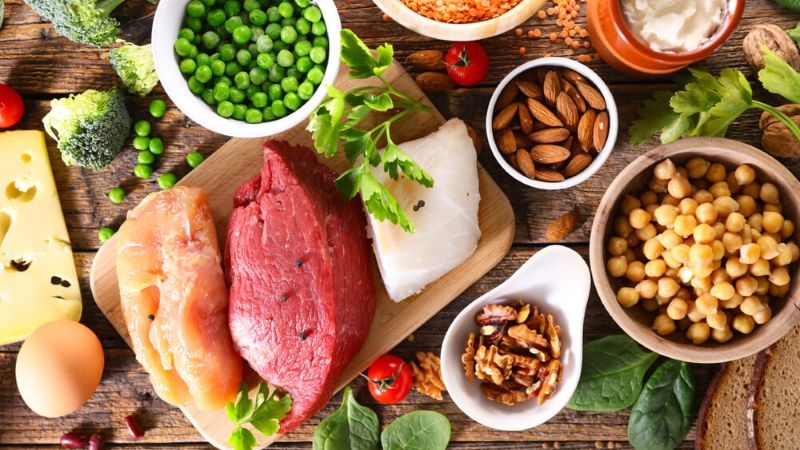
Eating healthy ultimately sets the standard for how the rest of your life will proceed. And let's be honest, you don't need to follow a diet strictly or eliminate all of the foods you enjoy in order to create a balanced diet, which will, in turn, help keep you energized, fit, and well.
In this blog, we'll discuss how to build a balance within your diet and create meals that actually work with real life.
It’s really about variety and proportion. Your body needs carbs, protein, fat, vitamins, and minerals — each one doing its own important job. If you get the right mix, everything runs smoother. You’ll see better growth, stronger immunity, and far fewer health headaches. Eating just one kind of food or always skipping certain nutrients is where things can get off track. Planning your meals is key. It helps make sure you don’t overeat or miss out on anything essential.
Knowing these makes things way easier. Carbs power you through the day. Think rice, bread, oats, fruit — stuff that keeps you moving. Proteins? They’re your body’s building blocks. Eggs, beans, fish, chicken, and lentils — all help your muscles stay strong and keep you feeling full. Fats get a bad rap, but healthy fats from nuts, seeds, and oils are vital for your brain and hormones.
Just don’t go overboard. Vitamins and minerals mostly come from fruits and veggies, so those should always have a spot on your plate. And never forget fiber — whole grains and produce help your digestion stay on track.
Once you know what foods give you which nutrients, making smart choices at mealtime feels pretty natural.
Fueled properly, the body runs smoother - both muscles and mind stay sharp. Missing key foods? Energy dips, healing slows, risks rise. What you eat shapes how you move, think, and heal. For example, piling on the sugar and unhealthy fat can lead to weight gain, but skipping out on protein hurts muscle strength.
So, sticking with a well-balanced diet isn’t just about being “healthy.” It boosts your energy, keeps your mind sharp, builds up your defenses, and helps you stay at a good weight. If you keep your meals organized and focus on the right foods, you'll dodge bad habits and really see the difference over time.
Building healthy meals doesn’t have to be a chore. If you mix and match different food groups and keep an eye on your portions, you’re pretty much set.
The plate method makes things simple. Just fill half your plate with fruits and veggies, grab a quarter for protein, and use the last quarter for whole grains. You won’t have to crunch numbers to feel balanced.
Don’t get stuck eating the same thing all the time, either. Throw in some new fruits, different veggies, and various grains—your body grabs more nutrients that way, and your meals won’t bore you. It’s easy to overeat, too, even when the food is “healthy,” so paying attention to how much you dish out is a smart move.
And don’t forget your water. Staying hydrated keeps digestion running smoothly and helps everything else work better, too.
A good meal routine helps you keep things on track and stops you from slipping into unhealthy habits. It also means your body gets what it needs, when it needs it.
Start with a solid breakfast—mix some carbs and protein together. Think oats topped with fruit, eggs on whole grain toast, something that gives you lasting energy for the morning. For lunch, make sure you have a bit of everything: grains, veggies, and protein. Balance is the goal.
If you are craving a snack in between meals, try eating something like an apple, some nuts, or yogurt. Choose snacks that aren’t heavy and will give your energy to last until your next meal. Keeping your dinners a little lighter than your lunches while still meeting nutritional needs for your body can help you naturally eat healthier.
The easiest way to stick to a balanced diet is to make things simple for yourself. Plan your meals ahead of time so you’re less likely to grab something unhealthy when you’re starving and in a rush.
Try to skip processed foods. They’re often loaded with way too much sugar, salt, and fat, and they rarely give your body what it actually needs. Eat without distractions—put down your phone or turn off the TV—so you can actually notice when you’re full.
Make sure you’re hitting all the food groups each day. They each have something different to offer, and your body does better with a variety. When you stick to a simple eating guide, healthy habits start to stick without much effort.
Eating a well-balanced diet gives you steady energy, keeps your mind sharp, and can even boost your mood. You’ll notice your immune system gets stronger, and your risk for long-term health issues goes down.
When you get into a good eating routine, everything just works better—you’ve got more energy, your digestion keeps up, and you just feel good overall. Stick with healthy habits, and you set yourself up for success that actually lasts.
At the end of the day, creating a balanced diet is hands-down one of the best things you can do for your health. No need for strict diets or crazy complicated plans. Just get familiar with your food groups, aim for a good balance, and follow a straightforward guide.
These small habits become second nature, keeping you healthy, full of energy, and ready for whatever comes next.
One way is by slowly adding in more natural foods like fruits, vegetables, and whole grains to your meals. You can also change your diet little by little by ceasing to use processed foods and keeping a very simple plan. Actually, it is much more important to keep going than to be perfect when you are trying to set a healthy eating pattern that will last a long time.
Absolutely, you can still savor your favorite foods in small amounts. A balanced diet is really about having different types of foods and also controlling how much you eat. The main idea is to eat healthy food most of the time and to allow yourself to have extra yummy treats from time to time without feeling bad or restricted.
Most people find eating three main meals with one or two small snacks in between is a good way to go. This kind of schedule keeps your body energized, helps the digestion process, and makes sure your body receives nutrients regularly without you having long periods of time without food.
Eating a balanced diet is very important for your health; however, exercise brings up several additional advantages. Doing physical activities helps the body become stronger, it is good for the heart, and it makes your metabolism work better. If you want to achieve the best well-being and be fit in the long run, you should combine healthy eating with regular physical activity.
This content was created by AI