

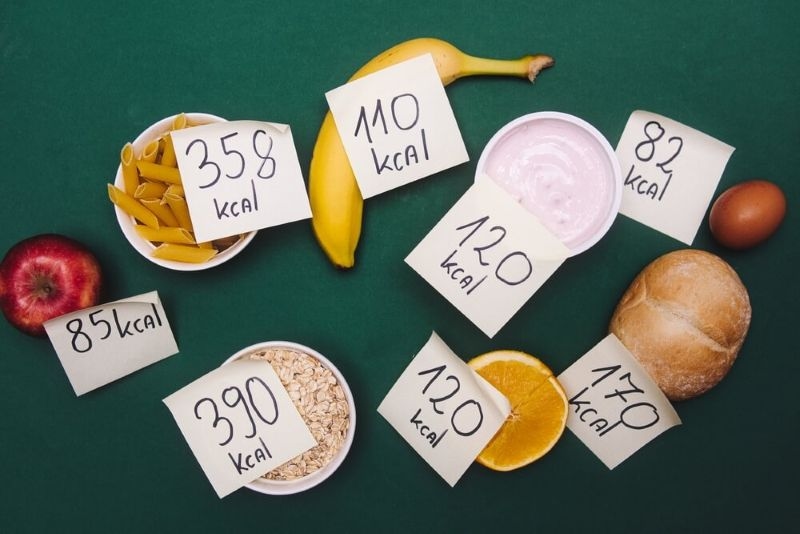
Keeping an eye on your calorie intake is one of the simplest ways to stay healthy, keep your weight in check, and avoid crashing halfway through the day. The truth is, lots of people either eat too much or skip meals without realizing what that does to their bodies. Once you understand how calories work and how to balance them right, everything else gets easier—your energy, your mood, even your overall health.
Let’s walk through some easy, realistic ways to manage calories, eat better, and set up habits that actually last.
Basically, calorie intake is just the total number of calories you get from everything you eat and drink. Calories are fuel. Your body needs them for everything, whether you’re jogging, working, or just breathing.
It’s pretty straightforward: if you eat about as many calories as you burn, your weight stays steady. Eat more than you burn, and you’ll gain weight. Eat less, and you lose weight. Knowing where you stand with your calories helps you keep things on track.
Your body can’t run on empty. It needs a set amount of calories every day to keep your heart beating, your muscles moving, and your brain awake. Too few calories? You’ll feel tired and foggy. Too many, and the extra goes right to storage—hello, weight gain and all the problems that come with it.
The goal is to match what you eat with what your body needs. That’s how you stay energized without packing on extra pounds.
Calories aren’t one-size-fits-all. Age, gender, weight, height, and physical activity all matter. If you sit at a desk all day, you won’t need as much as someone who’s always on the go. So, it’s worth finding out your personal number. You can use an online calculator or talk to a nutrition expert. Once you know your target, making choices gets a lot simpler.
If you’ve never tracked what you eat, give it a try. Write down—or use an app to log—everything you eat and drink for a few days. You’ll spot obvious patterns: maybe you’re snacking more than you realized, or your portions are bigger than you thought. Seeing it in black and white helps you make better choices going forward.
Some people love using apps, others prefer jotting notes in a notebook. Pick one that fits your routine.
A smart eating plan doesn’t mean starving yourself or cutting out all your favorite foods. Focus on swapping in more nutritious options instead of just eating less. Put together meals that have protein, good carbs, and healthy fats. Keep things balanced and eat at regular times. Oh, and don’t forget water—it makes a difference.
When your meals are balanced, and you eat on schedule, you’re less likely to get hangry or lose control around junk food.
You can stick to your calorie target and still feel crummy if you’re not getting the right nutrients. Your meals should have more than just the right calories—they need a mix of protein, healthy fats, carbs, vitamins, and minerals. Each one plays a part in keeping you healthy.
Even if your calorie count is perfect, poor nutrition leads to fatigue, weakness, and health issues. So, the sweet spot is hitting both the right quantity and quality in your meals. That’s what keeps you feeling good and moving strong.
A lot of us trip up with calories, sometimes without even noticing. One big mistake is ignoring portion size. You might be eating something healthy, but if you eat too much of it, the calories still pile up.
People also get tempted to skip meals, thinking it’ll save them calories. Usually, it just backfires—you end up super hungry and then overeat later. Not paying attention to how much you’re actually eating makes it easy to miss the mark, too.
Getting the balance right between calories and energy is the real secret. When you’re active, your body craves a bit more fuel. On slower days, you just don’t need as much. Adjusting for your routine keeps everything humming along.
Paying attention to how you feel helps, too. Listening to your body’s hunger signals and sticking to regular mealtimes goes a long way toward keeping energy steady and everything in balance.
If calorie tracking seems overwhelming, keep it simple at first. Just write down what you eat. Pretty soon, patterns pop up—where you snack out of boredom, or maybe underestimate portion sizes.
Checking labels helps. So does using smaller plates. The goal isn’t getting it perfect, but sticking with it. Consistency beats perfection every time and helps you fine-tune your eating habits for better nutrition balance.
What really works over time isn’t a strict diet—most extreme plans fall apart. Real change happens by making small, manageable tweaks, like switching to healthier choices and being sensible about portions. Stick with those changes, and they naturally become part of your day.
Every so often, check in with yourself. How’s it going? Do you need to adjust anything? Tiny updates keep your diet balanced and effective.
When you get calorie intake right, you feel the difference. You stay at a healthy weight, energy stays up, and you just feel better all-around. Your stomach gets happier, you can concentrate more easily, and your energy doesn’t crash halfway through the day.
When you consume a balanced diet, you will experience positive sensations but also develop a strong immunity that aids in the smooth functioning of your body. Having knowledge of your calorie needs and putting good habits into practice sets the tone for enjoying a lifetime of good health.
Knowing how many calories you should consume allows you the ability to track your food intake, but doing so will be extremely difficult unless you develop a realistic plan for yourself that you are able to stick with while monitoring your progress.
While reducing your caloric intake plays a role in weight control and energy levels, other factors (i.e., nutrition balance) will also affect these same areas of life. Therefore, you will be able to lead a healthier lifestyle as a result of all these elements.
A great way to cut calories is to eat more foods that are high in both fiber and protein. These nutrients can handle hunger better by keeping one full for a longer time. Besides that, taking enough water and a proper diet plan can also help not only control hunger but at the same time keep one's energy level steady.
It is a fact that you do not have to count every calorie you consume, although you will find it very advantageous. This is because it makes you more conscious of your eating habits, and you will be able to use the calories in your body more effectively on a daily basis. Besides, there is the fact that most people who are new to it discover it as an aid to them in gaining self-control and, at the same time, bettering their overall nutritional balance.
You undertake, for example, aspects like how old you are, your current weight, your height, and how physically active you are to decide how many calories you will need. What you can do is first use tools that are available on the web to estimate, and secondly, ask for help from a professional. After your calorie requirement is determined, you will be able to implement a diet plan that works well.
If you really want to control your calorie intake daily, then this will be an obvious focus for you, yet you will also need to pay attention to food quality at the same time. If there is a lack of a balanced nutrition component, then one's good health can be seriously compromised. With a good diet planning method, you will be able to not only give your body all the nutrients it needs to function properly but also keep the calorie intake to the desired level.
This content was created by AI