

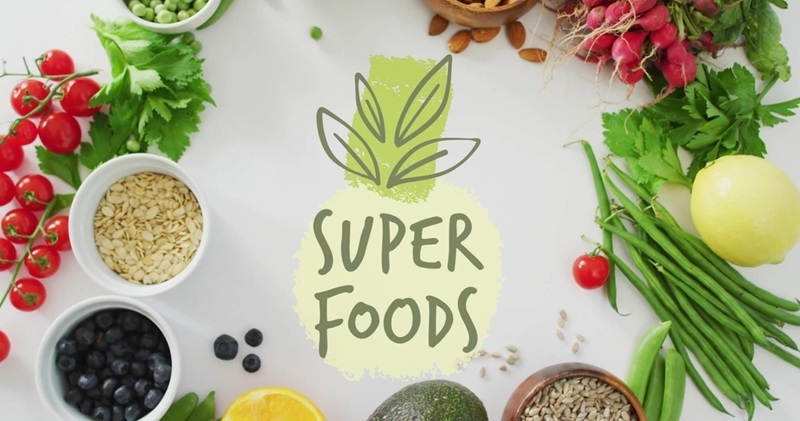
Many people have started looking at their nutrition from a different angle and using superfoods to do so. Superfoods (highly concentrated sources of vitamins, minerals, and antioxidants) are among the best options available to support your body's overall health and provide you with lots of nutrients and healthy antioxidants. In order to make use of antioxidant-rich foods to obtain all the superfood benefits that will help you increase your energy, boost immunity, and improve your health long-term, you will want to have a good list of healthy, balanced foods.
In this busy world, incorporating superfoods into your diet is a great way to enhance your health. A nutritious density high in nutrients such as vitamins, omega-3 fatty acids, minerals, and antioxidants means that you will be able to keep your body healthy by consuming superfoods. One way to take advantage of superfood benefits long-term is to develop your own healthy foods list that includes a variety of antioxidant-rich foods.
Why are superfoods not a magic cure for anything? They provide the body with significant nutritional value but do not serve as a complete health solution. Rather than being a source of energy, they are an excellent source of nutrition and help support immune systems, increase energy, reduce inflammation, etc. Through eating these foods (including leafy greens, fruits, and other fresh foods), you are providing your body with the most efficient source of energy.
Superfoods tend to be high in essential nutrients while low in calories. They also generally contain a lot of antioxidants and dietary fiber, as well as healthy fat sources.
A few examples of superfoods are blueberries, kale, quinoa, chia seeds, and salmon. You can get a lot of nutrition from these foods, but in small amounts, so they can be included in your diet daily.
Nutrient-dense foods provide the body with the required vitamins and minerals without excess caloric content. They stimulate energy through all the essential nutrients needed to help us function properly, including vitality, mental clarity, and a healthy body as we grow older.
Opting for a nutrient-dense diet will help you make the most of your meals by enhancing digestion, boosting your immune system, and providing you with sustained energy throughout the day.
Antioxidant-rich foods will protect us against damage caused by free radicals that lead to oxidative stress. Free radical damage leads to many chronic diseases, including heart disease and cancer.
Berries and spinach are great sources of antioxidants and should be a regular part of our diet to improve the overall health of our skin, strengthen our immune system, and slow the aging process.
Incorporating superfoods into your diet doesn't require much effort or time. Making small incremental changes to what you eat will yield a long-term return on your investment. The first thing you can do to bring superfoods into your life is to upgrade your meals with simple additions, such as seeds, greens, and whole grains. Incorporating variety will also help you get the most out of the superfoods you consume.
When you're trying to meet your nutrition goals, it is important to build a healthy food list to help you stay consistent. When planning your meals, make sure you include a balance of vegetables, fruits, protein, and whole grains.
You can make simple changes to your diet by adding leafy greens (like spinach) to smoothies, chia seeds to your yogurt, or swapping white rice for quinoa. Making these minor adjustments will make it much easier for you to consume higher nutrient values than either measurement at any given time.
Select fresh, organic options when choosing the highest-quality superfoods. In addition to their higher nutritional value than most of the world's foods, seasonal fruits and vegetables provide significantly more nutrients than other foods. Avoid heavily processed foods marketed as "superfoods." Instead, choose whole, natural foods to gain the true superfood benefits.
If you want to fully experience the benefits of superfoods, eat food with different nutrients paired together. For example, because fat-soluble vitamins require a fat source for optimal absorption, adding an avocado to your salad will ensure that you get the maximum benefit from consuming fat-soluble vitamins. You will also be able to achieve long-lasting improvements to your health if you include it regularly in your diet.
Your understanding of superfood options to include in a well-rounded, nutritious diet is important. Below, you will find a list of extremely nutrient-dense superfoods by category.
Leafy Greens have some of the highest nutrient levels. Green leafy vegetables such as kale, spinach, and Swiss chard are rich sources of vitamins A, C, and K. They are also rich in other antioxidants and beneficial for supporting cardiovascular health and reducing inflammation.
Different types of berries, including blueberry, strawberry, and raspberry, are nutrient-dense antioxidants that help to protect against the damaging effects of oxidative stress and may enhance memory function. Including berries in your daily diet will also help support your immune system and promote healthy-looking skin.
Seeds, Nuts, and Grains. Chia seeds, flaxseeds, almonds, and quinoa should all be added to your list of healthy foods. They are a great source of fiber, protein, and healthy fat. These foods can support digestion, improve heart health, and help keep you fuller longer.
Protein-Rich Superfoods are critical for repairing and rebuilding muscle tissue, helping to build and maintain muscles, and providing essential amino acids. When you incorporate protein-rich superfoods, you achieve a nutritionally balanced diet to provide you with energy throughout the day.
You can use superfoods in your everyday life to boost your natural health! By eating only the best superfoods, concentrating on nutrient-dense foods, and building a list of different healthy foods to eat, you'll enjoy all of the lasting wellness benefits of superfoods. The most important factors in your overall health and wellness, and in your long-term vitality, are consistency and balance.
While superfoods provide plenty of good nutrition, they should not replace balanced meals. Eating only superfoods might leave you missing out on other important nutrients. Eating a broad spectrum of healthy foods ensures you get all the nutrients you need to thrive; the most effective way to get all the possible health benefits from superfoods is through a diet that includes proteins, carbohydrates, and healthy fats.
Superfoods are typically not better for you than locally grown, affordable, antioxidant-rich foods such as spinach, lentils, and berries, all of which will give you the same benefits as superfoods. Seasonally and locally available, nutritious foods can provide you with the greatest health benefits for the least amount of money, and allow you to adhere to your long-term healthy eating goals.
Eating superfoods daily is the best way to achieve long-term health benefits from your purchase; however, quantity matters less than consistency. By adding small amounts of superfoods to your daily meals regularly, you can maintain a consistent supply of nutrients, which will help you increase your overall energy and immune system function, and support overall health.
Superfoods, because they are high in fiber and nutrients, will help you feel full and reduce your desire for less healthy foods. It is important for you to eat a balanced diet, control portion sizes, and exercise regularly, so that you can safely and effectively lose weight over time.
Your child should be able to eat superfoods every day as part of a healthy, balanced diet. Foods that are high in nutrients (such as fruits and vegetables) are good for your child's growth and development. A good time to introduce your child to a variety of antioxidant-rich foods is while you are raising him or her, so that healthy eating becomes part of his or her daily routine.
This content was created by AI