

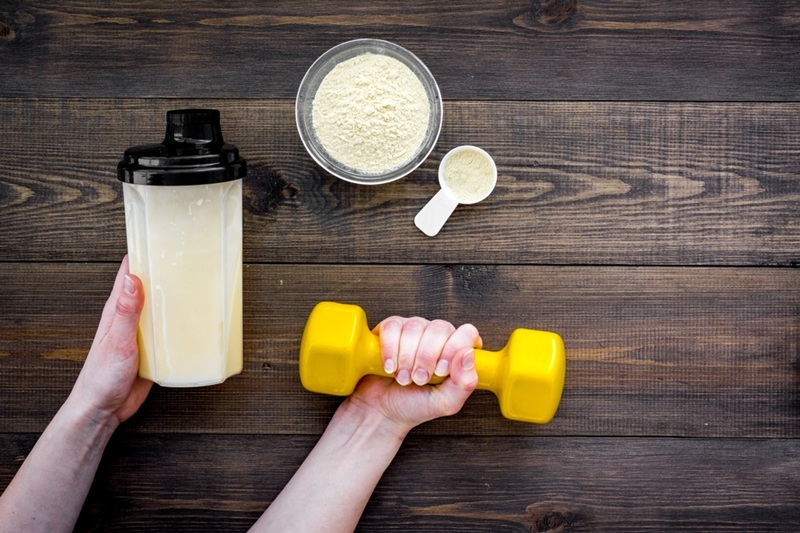
Protein gets a lot of attention in health and fitness conversations, and for good reason. It plays a major role in muscle repair, strength, recovery, fullness, and overall body function. Still, many people think about protein only in the context of bodybuilders or athletes. In reality, it matters to almost everyone. A person does not need to train for hours a day to benefit from eating enough of it.
The body uses protein to support tissues, hormones, enzymes, and immune function. It also helps people stay fuller for longer, which can make eating habits feel steadier and more manageable. When protein intake is too low, people may feel less satisfied after meals, recover more slowly from exercise, and struggle to support muscle as they age.
That is why protein intake deserves a more practical conversation. It is not just about shakes, extreme meal plans, or eating huge portions of chicken every day. It is about learning how much protein the body likely needs, where to get it, and how to spread it through the day in a way that feels realistic.
A lot of people focus only on how much protein they eat in one big meal, usually dinner. While total intake across the day matters most, meal timing can still make a difference. The body tends to use protein better when it is spread out instead of packed into one late meal and almost nowhere else.
That does not mean every meal needs to be perfectly measured. It simply helps when breakfast, lunch, dinner, and even snacks include some protein. This can support fullness during the day and make recovery from workouts more consistent.
A practical way to think about it is to include some protein in:
This approach makes daily protein needs easier to reach without forcing huge portions into one sitting. It also helps people feel more stable with energy and hunger throughout the day.
People who want to build or maintain muscle often assume that working out is the hard part and food will take care of itself. That usually leads to underwhelming results. Exercise creates the stimulus, but nutrition helps the body respond to that stimulus. Protein is a big part of that process.
A strong muscle diet does not have to be rigid or joyless. It simply needs enough support for training and recovery. If the body is consistently short on protein, muscle repair becomes harder and progress can feel slower than expected. This becomes even more important for people who lift weights regularly, do intense cardio, or are trying to maintain muscle while losing body fat.
Muscle support tends to improve when a person focuses on:
This is where protein becomes more than a number. It becomes part of a routine that helps the body actually adapt.
One reason people struggle with protein is that they think it has to come from expensive powders or repetitive meal plans. In reality, many everyday foods can help. Some are animal-based, some are plant-based, and many can be worked into meals people already enjoy.
Useful high protein foods often include:
The goal is not to eat all of these every week. It is to know there are options. That variety matters because people are far more likely to stay consistent when food still feels enjoyable and familiar.
A breakfast with eggs and yogurt, a lunch with chicken or beans, and a dinner with fish or tofu can already go a long way toward making protein intake more balanced.
This is where confusion usually starts. People hear one number online and assume it applies to everyone. It does not. Protein needs depend on body size, age, activity level, goals, and overall eating pattern. Someone trying to gain muscle usually needs a different approach than someone who is mostly sedentary. The same goes for older adults, who often benefit from being more intentional with protein as muscle naturally declines with age.
That is why discussions around daily protein needs should stay grounded in context. A person who trains hard several times a week may need more support than someone whose main goal is simply general wellness. What matters most is using protein in a way that matches real life and real goals instead of chasing random numbers from social media.
It also helps to stop thinking in extremes. Protein does not need to dominate every plate, but it should not be treated like an afterthought either. A balanced middle ground usually works best.
People often make nutrition harder than it needs to be by trying to follow a plan that does not suit their schedule, preferences, or budget. The better option is to choose protein sources that fit naturally into daily life. Someone who cooks often may do well with fish, eggs, and legumes. Someone with a packed work schedule may lean on yogurt, deli turkey, canned tuna, or prepared tofu.
Useful protein choices should be:
This is one of the best nutrition tips to remember. The perfect plan on paper means very little if it is too inconvenient to follow. Convenience matters because it supports consistency, and consistency is what makes nutrition work over time.
Protein is not only helpful for muscle. It also plays a major role in appetite and meal satisfaction. Meals with enough protein often feel more filling than meals built mostly around refined carbs alone. That can make a real difference for people who feel hungry again soon after eating or who struggle with frequent snacking.
This does not mean carbs are the problem. It simply means meals often work better when they feel more complete. Pairing carbohydrates with protein and some healthy fat can help create steadier energy and better fullness.
For example:
This is where protein intake supports better health beyond fitness goals. It can make daily eating feel steadier, which is useful for almost anyone.
A lot of people assume they need to overhaul everything to improve nutrition, but the biggest issues are usually smaller and easier to fix. One common mistake is skipping protein early in the day and trying to catch up at night. Another is relying on supplements while ignoring the quality of regular meals.
A few patterns tend to hold people back:
Whole foods do a lot of the heavy lifting. Supplements can help when needed, especially for convenience, but they work best when they support a solid food routine rather than replace it.
One of the easiest ways to improve a muscle diet or general eating pattern is to build meals around a protein choice first, then add the other parts around it. That creates more structure without forcing complicated tracking.
A simple meal-building pattern could look like this:
Examples might include:
This kind of structure leaves room for flexibility. It also makes high protein foods easier to include without making every meal feel repetitive or overly controlled.
People often chase dramatic changes because they sound exciting. In practice, better health usually comes from a steadier approach. Eating enough protein most days will do more than following an intense plan for one week and then dropping it. The same goes for muscle growth. Results tend to build when training, recovery, and food all support each other over time.
That is why the best nutrition tips are usually the simplest ones. Eat enough. Spread protein through the day. Choose foods that fit real life. Stay patient. Let the routine do its work.
Protein does not need to become an obsession to be useful. It just needs to become intentional enough that the body gets the support it needs.
Both can be useful, and the bigger picture usually matters more than stressing over one exact window. Eating protein sometime around training can support recovery and help the body repair muscle tissue, but total intake across the day still matters most. If someone trains early, a protein-rich breakfast afterward may be enough. If training happens later, a balanced meal before and after can both play a role without needing to be overly complicated.
It is possible for people to overfocus on protein and crowd out other important parts of nutrition like fiber, fruits, vegetables, and healthy fats. A better approach is balance. Protein should support a meal, not take over every food decision. Most people do not need extreme amounts to see benefits. They usually do better by aiming for steady intake from a variety of foods rather than constantly trying to push the number higher.
They often need to think about it a little more deliberately, but that does not mean it has to be difficult. Plant-based eating can absolutely support strong protein intake when meals are built with intention. Beans, lentils, tofu, tempeh, soy milk, edamame, and some grains can all contribute meaningfully. The key is variety and consistency. Instead of depending on one food, it helps to combine several protein-rich plant foods through the day so intake feels more complete and reliable.
This content was created by AI