

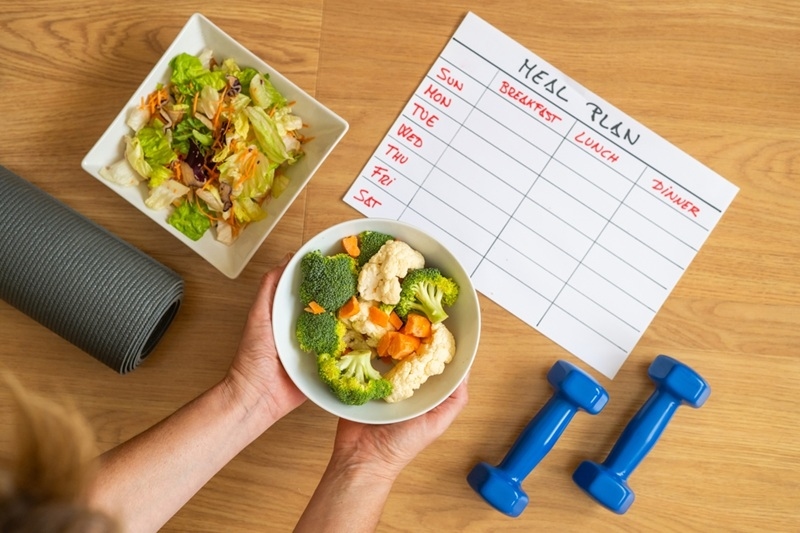
Healthy eating often sounds simple until real life shows up. Busy mornings, long workdays, unexpected errands, and evening fatigue can quickly turn good intentions into rushed takeout orders or random snacks that never quite feel satisfying. That is why so many people struggle to eat well consistently. The problem is not always motivation. In many cases, the real issue is a lack of structure.
That is where meal planning becomes useful. It helps take some of the daily guesswork out of eating, which makes healthy choices easier to follow through on. Instead of asking what to cook every single day, a person already has a rough answer in place. That small shift saves time, lowers stress, and helps the kitchen feel more manageable.
It also supports better spending habits. When meals are planned ahead, grocery shopping becomes more intentional. Fewer random items end up in the cart, and fewer ingredients get pushed to the back of the fridge and forgotten. In a very practical way, planning food ahead can improve both health and budget at the same time.
A lot of people give up too early because they think planning meals means building a perfect schedule with zero flexibility. That idea can make the whole process feel exhausting before it even begins. In reality, a good plan does not have to be rigid. It just needs to make everyday eating a little easier.
The best approach is to start small. Instead of trying to organize every bite of food for the next two weeks, it helps to focus on a few meals at a time. Breakfast, lunch, and dinner do not all need to be completely different every day. Repeating a few reliable meals can actually make things more sustainable.
A simple starting point might include:
This style of planning gives structure without making life feel overmanaged. It also makes diet planning feel more practical, because the focus stays on patterns people can actually repeat rather than on unrealistic food rules.
One of the most helpful parts of planning meals is being honest about the week ahead. Some days are naturally easier for cooking, while others are not. A person who ignores that difference usually ends up frustrated. A person who works with it tends to do much better.
For example, a slower Sunday may be a good time to cook grains, roast vegetables, or prepare proteins ahead of time. A packed Wednesday may call for something very simple, like leftovers, a quick wrap, or a one-pan dinner. Matching meals to energy levels can make a big difference.
This is why weekly meal prep helps so many people. It creates support before the week gets chaotic. Even small preparation steps can lighten the mental load later on.
Useful prep tasks often include:
None of this has to take over the weekend. The goal is not to spend an entire day cooking. The goal is to make weekday meals easier to manage.
A common mistake is trying to cook brand-new recipes every night. That sounds exciting for a few days, but it usually becomes tiring. Repetition is not boring when it makes life easier. In fact, having a few regular meals on rotation is often the reason people stay consistent.
That is where dependable healthy meal ideas become so valuable. A good meal does not need to be complicated to be useful. It just needs to taste good, fit the schedule, and provide enough nutrition to keep the body satisfied.
Simple meal ideas might include:
These meals are flexible, which makes them easier to adapt based on what is already in the kitchen. Flexibility matters because no plan works well if it falls apart the second one ingredient is missing.
A lot of meal advice online makes healthy eating sound like a full-time project. It does not have to be. Most people benefit more from simple structure than from complicated rules. A meal can be considered healthy when it provides enough nourishment, includes a balance of food groups, and feels realistic for the person making it.
This is where balanced meals matter more than perfection. A plate does not need to look ideal every single time. It just helps when there is some combination of protein, fiber, healthy fat, and carbohydrates to support energy and fullness.
A practical way to think about meals is to include:
This kind of structure is easier to maintain than strict meal rules. It also supports better energy through the day, which often reduces random snacking later on.
Preparation only helps when it feels like support, not extra work. Some people assume prepping food means filling rows of containers with identical meals, but that is only one version of it. Many people do better with flexible ingredients rather than fully assembled dishes.
That is where smart food prep tips come in. Instead of preparing seven full meals at once, a person can prep ingredients that work in several ways. Cooked chicken can go into wraps, salads, pasta, or grain bowls. Roasted vegetables can work at lunch or dinner. A simple sauce can bring different meals together without much effort.
Helpful prep habits include:
These strategies reduce waste and make cooking feel less demanding. They also help preserve some variety without requiring extra effort every evening.
A meal plan should support life, not control it. If every meal is mapped out too tightly, people often start feeling boxed in. Then one unplanned dinner out or one tiring day can make the whole system feel broken. That is why flexibility matters so much.
A more realistic plan leaves room for change. Maybe one night turns into leftovers. Maybe lunch gets swapped because a meeting ran late. Maybe a craving shows up and someone wants tacos instead of soup. None of that means the plan failed. It just means the plan is being used like a tool instead of treated like a rulebook.
This is also where meal planning becomes more sustainable. When people allow some movement inside the structure, they are far more likely to keep going. A useful food routine should make daily life easier, not more rigid.
It often helps to assign a loose theme to certain days. This does not need to be overly organized, but a little rhythm can make planning faster. When some categories repeat, the decision-making process becomes much easier.
A weekly flow might look like this:
This approach supports weekly meal prep without making meals feel repetitive in the worst way. It also makes grocery shopping more straightforward because the list begins to follow a pattern.
At the same time, it supports diet planning in a way that feels natural. Instead of constantly wondering what fits the plan, a person already has a rough framework to work with.
One of the biggest hidden benefits of this habit is financial. People often spend more on food when they shop without a plan. Extra items seem useful in the store, but later they sit unused. Planning meals first helps connect purchases to actual meals, which reduces waste and unnecessary spending.
This is also where a short list of healthy meal ideas becomes practical in a different way. When a person knows what they are likely to cook, they are less likely to buy ingredients that only work for one ambitious recipe they may never make.
A better shopping routine often includes:
These habits may seem small, but together they create a kitchen that feels easier to manage and less expensive to maintain.
In the end, the real strength of this habit is not in making every meal flawless. It is in making healthy eating easier to repeat. A person who plans most of their meals most weeks will usually do better than someone who tries to be perfect for four days and then gives up.
That is why balanced meals and simple food prep tips tend to work better than extreme systems. The goal is to build a routine that fits normal life, not a routine that only works during ideal weeks.
Good food habits do not need to look impressive. They just need to be steady enough to support energy, health, and peace of mind over time.
For most people, planning five to seven days ahead works well because it provides enough structure without feeling overwhelming. Planning too far ahead can sometimes backfire if schedules change or ingredients spoil before they are used. A weekly rhythm gives enough direction for shopping and prep while still leaving room to adjust. It also helps people avoid overcommitting to meals they may not actually want by the end of the week.
That depends on personal routine and food preferences. Some people love opening the fridge and seeing complete meals ready to go, especially during busy workweeks. Others get tired of eating the exact same dish several times in a row. Ingredient prep often works better for flexibility because cooked grains, proteins, vegetables, and sauces can be mixed in different ways. That approach can save time while still allowing meals to feel fresh and a little different each day.
Boredom usually means the plan needs more variety in flavor, not a total reset. Often, the easiest fix is changing sauces, seasonings, or side dishes rather than changing the entire meal structure. A rice bowl can taste completely different with a new dressing, spice blend, or protein. It also helps to keep one or two “fun meals” in the week that feel less routine. That balance makes the plan easier to follow without turning it into a chore.
This content was created by AI