

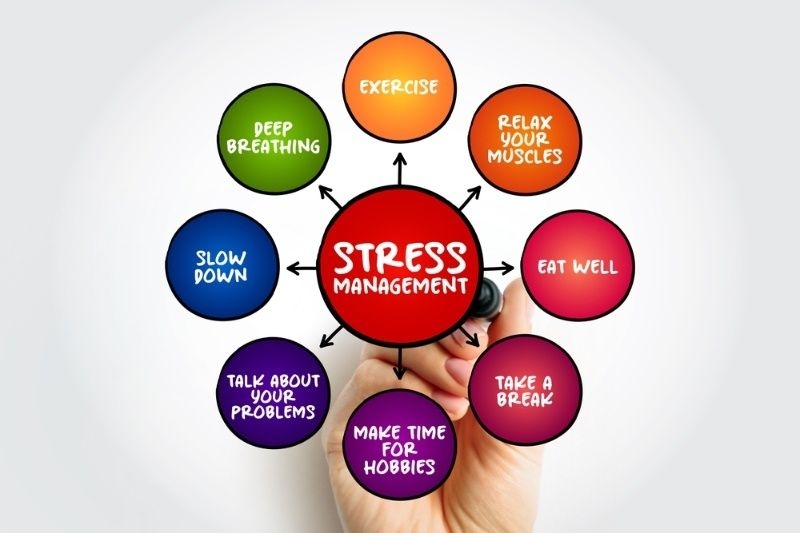
Stress is part of life, but that does not make it easy to live with. For many people, it builds quietly. It starts with a packed schedule, a few restless nights, too many notifications, and a mind that never seems to settle. Then it turns into irritability, poor sleep, low patience, and the constant feeling of being mentally “on” even when the day is supposed to be over. That is why stress can feel so draining. It does not always arrive as one major problem. It often shows up as too many small things stacking on top of each other.
That is where stress management becomes important. It is not about pretending life is calm all the time. It is about learning how to respond to pressure in ways that protect energy, mood, and mental clarity. When people have a few simple tools that actually help, daily life starts to feel more manageable. Problems may still exist, but they stop taking over quite so easily.
A lot of people assume the answer has to be dramatic. In reality, small adjustments usually do more than intense attempts at total life change. The best methods are often simple enough to use on ordinary days, not just during full breakdown moments.
One reason stress feels so hard to fix is that people often try to deal with it only after it becomes overwhelming. By that point, patience is already gone, and thinking feels cloudy. A better place to begin is pattern awareness. Stress usually has a rhythm. Certain situations, people, deadlines, or habits tend to trigger it more than others.
Some common stress triggers include:
Once those patterns become easier to spot, it becomes easier to reduce stress fast before it turns into something heavier. That does not mean eliminating every stressor. It means recognizing what regularly pushes the body and mind into overload.
Awareness also helps remove some guilt. People stop blaming themselves for “not coping well” and start seeing the actual conditions that are making calm harder to reach.
When stress rises, many people try to think their way out of it. Sometimes that helps, but often the body needs attention first. Fast breathing, muscle tension, jaw clenching, shallow posture, and restless movement all make stress feel more intense. If the body stays keyed up, the mind usually follows.
That is why basic physical relaxation methods can be surprisingly effective. They may look simple from the outside, but they send the body a signal that the threat level is lower than it feels. Once that physical intensity drops a little, clearer thinking becomes more possible.
Helpful body-based techniques include:
These actions may not solve the original problem, but they often make the problem feel less overpowering. That matters because people make better decisions when the body is not stuck in tension.
A lot of stress advice focuses on crisis moments, but real progress often comes from everyday habits. If a person only reacts when they are already overwhelmed, recovery becomes much harder. A better approach is to create a daily rhythm that supports calm before stress takes over.
This is where practical stress relief tips become useful. They do not have to be complicated or time-consuming. In fact, the easier they are to repeat, the more likely they are to help over time.
Simple habits that support steadier days include:
These habits may seem ordinary, but that is part of their strength. They help the nervous system stop feeling like every day is unpredictable. A calmer rhythm often creates a calmer mind.
One of the fastest ways stress grows is through mental piling. A person is dealing with one real issue, but then the brain adds ten more. Suddenly the mind is not only thinking about the meeting tomorrow. It is also replaying last week, worrying about next month, and creating pressure around things that have not even happened yet.
This is where anxiety control becomes less about “stopping worry” and more about narrowing attention. It helps to ask one simple question: what actually needs attention right now?
That question can bring the mind back to the present task. It creates a smaller target, which usually feels easier to handle. Instead of mentally chasing everything, the person can focus on one useful next step.
Helpful questions include:
This kind of thinking does not make a stressful situation disappear, but it often makes it feel less tangled.
Many people move from one demand to the next without a single pause. Even when they are not working, they may still be scrolling, replying, planning, or consuming more noise. The brain rarely gets a chance to settle. Over time, that constant input creates its own tension.
That is why simple mental calm techniques matter. They create small pockets of quiet in the day, and those moments often do more than people expect. A calm mind is not always a perfectly still mind. Sometimes it is just a mind that has been allowed to stop absorbing information for a few minutes.
Useful ways to create mental quiet include:
These moments help restore a sense of internal space. When the mind gets even a little breathing room, stress often feels less sharp.
A lot of people wait until they feel stronger or more organized before protecting their peace. That usually does not work. Stress often improves when boundaries improve, not just when motivation improves. A person can be disciplined and still feel overwhelmed if they keep saying yes to too much or allow work and worry to spread into every hour of the day.
This is another reason stress management has to include practical limits. Calm is not always created by adding something new. Sometimes it comes from stopping something that keeps draining energy.
Helpful boundaries might include:
Boundaries often feel uncomfortable at first, especially for people used to pleasing others or overperforming. Still, they make a major difference. A calmer life usually needs stronger edges.
Some moments need quick help. A difficult conversation, a packed day, or sudden bad news can make stress spike fast. In those situations, the goal is not deep healing. The goal is short-term steadiness.
That is where tools that reduce stress fast become valuable. They work best when practiced before the worst moments arrive, but even simple steps can help in the moment.
A few quick resets include:
These methods are not magical, but they help interrupt the spiral. That interruption can be enough to prevent stress from turning into panic or emotional shutdown.
A lot of people look for one method that will “fix” everything, but stress rarely works that way. The better approach is usually a collection of small habits repeated often enough to build resilience. One walk will not change everything. One deep breath will not erase burnout. Still, those small actions matter when they become regular.
That is why stress relief tips, relaxation methods, and mental calm techniques work best when they are part of a lifestyle rather than saved only for emergencies. Over time, the body starts to trust those routines. The mind becomes more familiar with slowing down. Recovery gets easier.
Real calm is rarely dramatic. Most of the time, it looks like a person sleeping a little better, reacting a little less sharply, and moving through the day with a bit more steadiness than before. That may sound simple, but it changes a lot.
Yes, and it often does. Stress can show up through headaches, digestive discomfort, muscle tension, fatigue, skin flare-ups, or a racing heart, even when a person is still trying to push through the day as if everything is normal. The body usually notices overload before the mind fully admits it. That is why paying attention to physical signals matters. Sometimes the body is giving useful information long before a person is ready to label the experience as stress.
Yes, especially for people who are used to being productive all the time. Rest can feel unfamiliar or undeserved when someone has built their identity around staying busy. The problem is that guilt makes recovery harder, even when the body clearly needs a break. Learning to rest without constantly justifying it is part of emotional health. Rest is not laziness. It is often what allows a person to think more clearly, respond more patiently, and function better afterward.
Stress may need professional support when it starts interfering with sleep, work, relationships, concentration, appetite, or daily functioning for an extended period. It also matters if a person feels constantly on edge, emotionally numb, or unable to calm down even when life is relatively quiet. Support from a therapist or qualified mental health professional can help when stress becomes too persistent or starts feeling bigger than self-help tools can reasonably handle.
This content was created by AI