

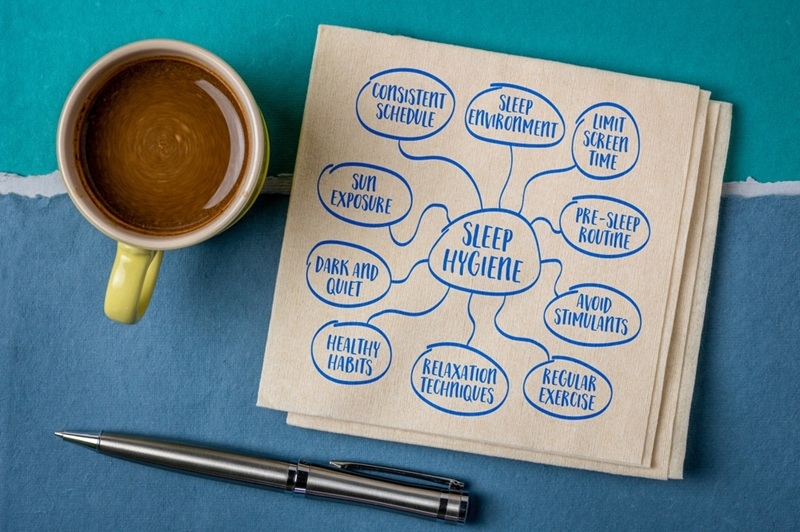
Maintaining good sleep health is very important for both mental and physical well-being. Your sleep health includes the amount of time you spend asleep, how well you sleep, and how often you get a good night’s rest.
Many people have trouble sleeping in today’s busy society, and as a result, they have poor sleep quality. To improve sleep quality, it is often necessary to establish a regular sleep routine, practice proper sleep hygiene, and adopt better sleep habits. Whether you are trying to find ways to sleep without medication or simply want to learn how to improve your overall sleep quality, sleeping better can drastically change your quality of life.
A consistent sleep schedule, good sleep hygiene, and a quiet sleeping environment will help you naturally improve your sleep. Reducing screen time, practicing relaxation techniques, and using effective sleep strategies will help your body rest well and wake feeling invigorated.
Developing a healthy sleep pattern is one of the greatest ways to improve your sleep. Try to go to bed and wake up at the same time every day, including weekends. A consistent routine will help set your circadian rhythms properly; over time, this will improve your overall sleep quality and reduce your need for insomnia remedies.
Good sleep hygiene is another tip for creating a good sleeping environment. Start with your bedroom being dark, cool, and quiet. Avoid all screens for at least 1 hour before bed; blue light can suppress melatonin production and make it harder to fall asleep.
There are many deep sleep techniques that can help you sleep better. Techniques such as reducing anxiety through meditative practices, breathing exercises, and progressive muscle relaxation can help to calm your mind and body before going to bed. Regular use of good deep sleep techniques can improve your sleep health.
Caffeine has a long half-life, which is why it stays in your system for many hours after consumption, making it much harder for you to fall asleep. And finally, eating heavy meals close to your bedtime can disrupt your sleep. Have a light snack instead.
Some of the most common sleep problems are insomnia, waking up multiple times throughout the night, having trouble initiating sleep or staying asleep, and sleeping poorly due to many different factors such as stress, irregular bedtimes, and inadequate sleep hygiene. To help you resolve your sleep problems, try to maintain a consistent bedtime, reduce your screen time before bed, manage your stress levels, use effective sleep-promoting techniques, and use specific methods to facilitate deep sleep.
Insomnia is a very common condition affecting many individuals. Causes of insomnia are often linked to emotional stress, anxiety issues, and poor sleep habits. To find help for insomnia, the best first step you can take is to identify what triggers your insomnia. Another way to relieve the effects of insomnia is to establish a sleep routine and reduce your stress levels to improve your overall sleep health.
Stress is one of the biggest barriers to high-quality sleep. High levels of the hormone cortisol can keep your brain active at night. You can find relief from stress through journaling, yoga, and mindfulness exercises. These techniques will promote deep sleep and support emotional balance and sleep health.
Screen time is an increasing problem for everyone. Laptops and smartphones emit blue light, which can affect your sleep cycle. One of the easiest tips for sleeping well is to set limits for your use of electronic devices before you go to bed. This gives you a better chance of protecting your sleep health and maintaining good sleep hygiene.
If you've tried everything on your own and you're still having trouble sleeping, you should talk to a specialist for help. Someone who has had insomnia for a long time (chronic insomnia) may need to seek help from a doctor. Your doctor can help you with insomnia through psychology or medication. The earlier you get assistance for insomnia, the better your overall sleep health will be and, as a result, the more your overall health will improve.
Maintaining healthy habits can improve your sleep quality. Regular physical activity, nutritious meals, and a consistent sleep schedule can help you align with your body’s natural sleep rhythm. Following good sleep hygiene practices, minimizing stress levels, and implementing deep-sleep techniques are also beneficial for enhancing sleep quality and improving overall health.
Deep sleep cycles can be encouraged through physical activity. Even simple forms of exercise, such as walking, can improve sleep.
Routine exercise is one of the best ways to achieve deep sleep, as it reduces stress and supports long-term sleep patterns.
Diet influences the quality of sleep. Food containing tryptophan and magnesium can be beneficial for relaxation.
Avoid sweet things before sleep. In addition to supporting sleep hygiene, a proper diet supports long-term sleep improvement.
A calming routine before bed signals to your body that it is time to settle down. Reading, taking a warm bath, and/or meditating are good examples of this.
Developing this type of routine will help develop a sleep pattern and support your overall sleep health.
Not maintaining consistency in your sleep habits can throw off your internal clock; therefore, you should aim to keep your routine consistent.
Consistency is one of the easiest, yet most powerful, ways to create a healthy sleep pattern.
Having healthy sleep patterns is an important factor in being productive and balancing everything in our lives. Sleep can be dramatically improved by focusing on sleep hygiene, consistent sleep habits, and sleep improvement. Insomnia assistance, study of deep sleeping methods, or any other method that helps make simple lifestyle changes will greatly increase your quality of sleep! If you want to feel better with more energy, attention, and overall wellness, invest time today in improving your sleep health!
The quality of your sleep significantly affects your cognitive performance, decision-making, and attention span. When you do not get adequate sleep, the body becomes fatigued, leading to slower thinking and less efficient work. By maintaining appropriate sleep hygiene and establishing a consistent routine, you can enhance mental clarity throughout the day, dramatically improving productivity and maintaining high levels of focus and energy.
Yes, when an individual has healthy sleep habits, they tend to have more stable moods and lower levels of stress hormones. Quality sleep also provides a strong foundation for your brain to process emotions and helps you develop better coping mechanisms when dealing with everyday life challenges. Practicing good sleep hygiene, using deep sleep techniques, and following a sleep regimen can significantly reduce anxiety levels and improve your overall emotional state and mental health in the long run.
Many aspects of the sleep environment contribute to the quality of the overall sleeping experience. A quiet, dark, and cool bedroom produces the best sleep and is conducive to relaxation and uninterrupted sleep. Optimizing your bedroom, noise control, and distractions in the room where you sleep are all considered appropriate sleep hygiene measures that will ultimately support the use of deep-sleeping techniques and improve your quality of sleep on a consistent basis.
Napping for short periods can improve your health by boosting energy and alertness. Napping for long periods or napping too late can disrupt your sleep patterns. Limiting naps to 20–30 minutes early in the day may help maintain good sleep hygiene and will not negatively affect your nighttime sleep patterns or the quality of your total sleep.
Traveling can disrupt sleep patterns due to time zone changes and irregular sleep schedules. You can manage your sleep while traveling by gradually adjusting your sleep schedule before you leave, staying well hydrated, and maintaining good sleep hygiene. Deep sleep solutions, such as relaxation techniques, may help your body adjust during the adjustment period and support healthier sleep patterns.
This content was created by AI