

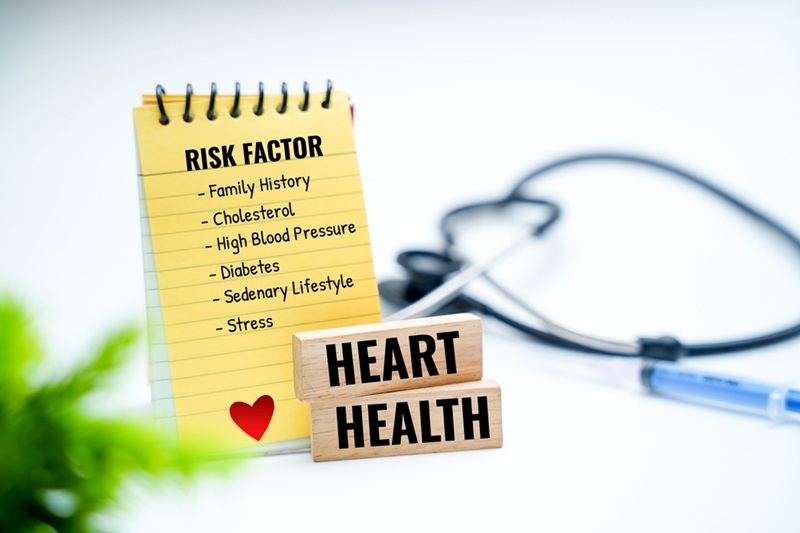
Taking care of your heart is really up there when it comes to priorities for living well. Your heart never gets a break—it’s always working, pushing blood and oxygen to every corner of your body. But the way we live these days doesn’t always help. Stress piles up, people skip workouts, let their diets slide, and get into some pretty bad sleep habits. That’s how heart problems pop up earlier in life than we’d like.
You don’t need fancy treatments or a complex routine to keep your heart in good shape. Honestly, it’s the little things you do every day that make the real difference. Simple changes actually work—stick with them, and your heart gets stronger, risks drop, and you’re set for the long haul.
So, how do you make this happen? Let’s get into a few practical steps you can start now.
What you eat matters big time for your heart. If you’re after a strong heart, go heavy on fruits, veggies, whole grains, and the kinds of fats found in foods like nuts, seeds, oats, and leafy greens. These simple choices help your heart without much fuss.
Skip the processed stuff, sugary drinks, and loads of salt. That’s the stuff that messes with your blood pressure and makes cholesterol harder to manage.
Swap out little things—a drizzle of olive oil instead of butter, whole grain bread instead of white. It all counts.
Exercise isn’t just for gym fans. Walking, cycling, stretching, yoga—any of these gets your blood flowing and helps your heart out. Aim for 30 minutes a day if you can. That movement does more than just strengthen your heart. It cuts cholesterol, helps you manage your weight, and keeps stress from taking over. All of that means a healthier heart.
Mix in physical activity with your day-to-day routine, and you’ll notice you feel better, not just physically but mentally too.
Carrying extra weight strains your heart. Staying at a healthy weight goes a long way toward protecting your heart. Once you start managing your weight, controlling cholesterol, handling blood pressure, and helping in heart disease prevention, it gets easier.
Forget crash diets—they rarely stick. Develop habits that you can maintain through proper food choices and exercise. Maintaining even modest weight loss can support your overall health as well as your heart health. You don't have to implement huge changes. Begin slowly, and through consistency, you will support your cardiovascular health and overall health.
Stress sneaks up on a lot of us, but it takes a real toll on your heart. When you’re under pressure all the time, your blood pressure shoots up, and your heart can’t catch a break.
You don’t have to overhaul your whole life to deal with stress. Just try a few small things—like pausing for a few deep breaths, meditating for ten minutes, or getting outside for a walk. Even a bit of fresh air helps keep stress from piling up.
When stress isn’t running your life, it’s so much easier to stick with other healthy habits and keep your cholesterol in check. Don’t forget to carve out a few short breaks during your day. Find things you actually enjoy—maybe listening to music, drawing, or tinkering in the garden. A relaxed mind helps your heart stay steady.
Your body needs sleep to recover and reset. Miss out on sleep, and you put your heart on the line—your blood pressure can climb, and your risk for heart trouble goes up.
Seven to eight hours every night makes a difference, but most people don’t get enough. Quality is just as important. Your body repairs itself and keeps hormones in balance when you sleep well—and that helps manage weight, too.
Get yourself into a steady bedtime routine. Dim the lights, set your phone aside, and make your bedroom comfortable. These small steps set you up for better rest, which your heart needs.
Hydration really matters for your heart. When you don’t drink enough water, your heart has to work harder to move blood around.
Water helps your body get rid of waste and supports good cholesterol levels—both are good news for your heart. Just make it a habit. Keep a water bottle handy and sip all day, not just when you’re thirsty.
This is probably the simplest way to support your heart, but it’s easy to forget. A little effort goes a long way.
Smoking and too much alcohol put a lot of strain on your heart. They damage your blood vessels and slowly wear down your entire system.
Quitting smoking is probably one of the best things you can do for your cardiovascular health. Cutting back on alcohol makes a real difference, too—your blood pressure stays down, and your cholesterol improves.
It’s tough, no doubt, but even a small cutback matters. Your risk of heart problems drops when you make these changes.
A simple checkup gives you a snapshot of how your heart’s doing. Keep tabs on your blood pressure, cholesterol, and blood sugar. If something’s off, you catch it early. This isn’t complicated. Regular checkups make it easier to tackle small issues before they turn serious. When you know your numbers, you know where you stand—and what to change.
Integrating regular medical evaluations into a clear, steady routine will prove beneficial both long-term by allowing for easier monitoring of progress, as well as short-term through improvement of cardiac health.
It is best to have strong positive lifestyle patterns (lasting long-term) by keeping them easy to establish and/or repeatedly enact. Eat balanced meals, move a little every day, drink enough water, find ways to manage stress, and go to bed at a regular time.
When you repeat these habits day after day, your heart stays healthier, your cholesterol drops, and you just feel better. A little consistency is what ties everything together. And when you fall off track, just reset. That’s normal.
You don’t need drastic changes to look after your heart. Small steps, done every day, can shift everything. Eat real food, keep moving, manage your stress, and don’t skip sleep. Little habits add up to a stronger heart.
Stick with these simple tips. Over time, they help you reduce cholesterol and protect you from bigger problems. It’s all about showing up for yourself, one day at a time.
Changing only one or two items in your daily life may be enough to improve heart function. For instance, taking a walk every day, eating more natural foods, drinking plenty of water, and sleeping well can significantly ease heart disease prevention. Besides, these are doable measures that, even when started minimally, through time, become your new lifestyle without the need for old habits removal.
To a certain extent, definitely! Being physically active, eating nutritious food, and steering clear of processed foods at all costs will contribute significantly to cholesterol control. With time, these good practices enhance your body's ability to utilize nutrients and minimize fat accumulation, leading to better health status and less medication intake in several instances.
Besides elevating the blood pressure temporarily, stress can also lead to heart damage if it remains at a high level for a long time. Moreover, it contributes to poor sleep quality and unhealthy eating, which have negative effects on health indirectly. Exercising stress relief methods helps one not only to get out of a state of stress but also to have a better and healthier body eventually.
Deciding on the level of dedication and your current way of living will determine the timing for the effects to show up. For example, you might experience more vitality and better sleep as early as the first couple of weeks, but the more elusive ones, like normal blood pressure and cholesterol levels, require a few months of healthy habits on a regular basis.
This content was created by AI