

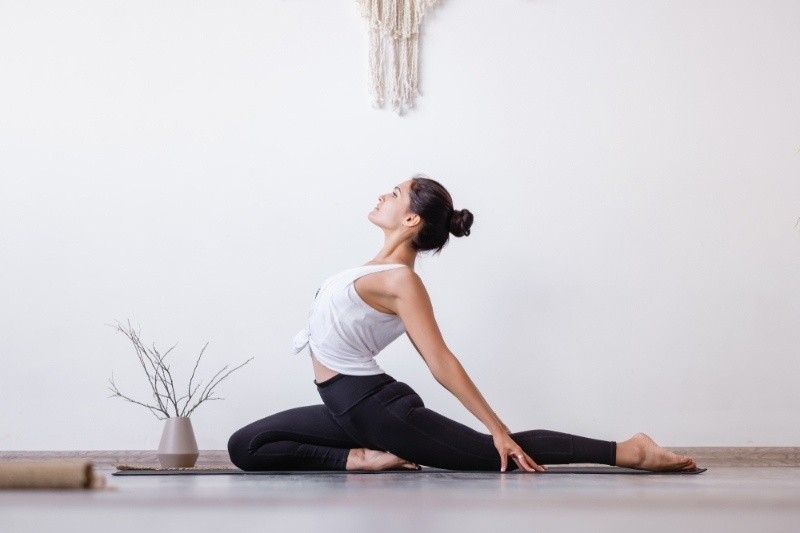
Maintaining good flexibility is a vital part of staying healthy as the body ages. Many people find they can improve their flexibility by simply adding a short stretching routine to their morning or evening routine. When muscles are supple, moving through a full range of motion becomes much easier. This physical ease helps with daily tasks, such as reaching for a high shelf or bending down to tie a shoe. Consistent movement keeps the joints lubricated and the muscles ready for any activity.
A body that moves well feels young and energetic. Focus on how the muscles feel when they are elongated and relaxed throughout the day.
Taking the time to focus on these benefits makes the process more enjoyable. Most people notice a difference in their energy levels within just a few days of starting.
A basic plan doesn't need to be complicated to deliver real results for the average person. Starting with just five minutes a day can create a lasting habit that supports the limbs.
Movements should be smooth and controlled to avoid any sudden strain on the fibers. Breathing deeply during each movement helps the muscles release tension more effectively.
Joint health is just as important as muscle length when it comes to total body movement. Mobility exercises target the areas where bones meet to ensure everything rotates without any pain.
These small actions can be done almost anywhere at any time during the workday. Keeping the joints active prevents the stiffness that often comes from sitting in one spot for too long.
People who love to run or lift weights need a specific type of flexibility training to stay at their peak. This type of practice focuses on the specific muscles used during heavy physical exertion.
Training the body to be elastic helps it better withstand the impact of intense exercise. It allows athletes to move faster and with more power while maintaining total control over their movements.
Staying safe is the main goal of any physical fitness plan, regardless of age or skill level. Injury prevention happens when the body is prepared for sudden movements or heavy loads.
When muscles are tight, they are more likely to pull or tear during a simple task. Keeping them loose serves as a shield against common accidents that happen around the house or at the gym.
Changing how one sits or stands can have a massive impact on how the body feels over time. Simple adjustments to the environment can encourage the body to stay loose and comfortable.
Small changes lead to big results when they are done every single day without fail. These habits ensure that the body does not become stuck in one rigid position for hours on end.
Every person has different needs based on their height, weight, and previous health history. Finding a stretching routine that feels good is the secret to making it a permanent part of life.
Try different movements to see which ones provide the most relief for your specific aches. A personalized approach is always better than a one-size-fits-all solution found in a book.
Staying mobile is the key to independence as the years go by and the body changes naturally. Mobility exercises help seniors maintain balance and prevent dangerous falls at home.
Keeping the body moving helps maintain bone density and muscle mass over the decades. It allows older adults to continue enjoying their favorite hobbies and spending time with family.
For those who want to go beyond the basics, there are ways to push the limits of what the body can do. This kind of flexibility training requires patience and a very deep focus on the body's sensations.
Pushing gently into a stretch can lead to significant gains in a limb's range of motion. Always ensure that the body is warm before trying to reach a new maximum level of extension.
Safety should never be an afterthought when building a strong, capable physique. Injury prevention techniques should be woven into the very fabric of every exercise session.
A holistic approach to health ensures that the body can bounce back from hard work quickly. This means less time sitting on the sidelines and more time being active and happy.
The rewards of staying flexible are seen in how a person carries themselves through the world. A flexible body moves with grace and experiences much less daily discomfort than a stiff one.
Focusing on flexibility today is an investment in the version of yourself that will exist ten years from now. It is never too late or too early to start caring for the way your body moves.
Mastering flexibility is a powerful way to enhance your life and prevent injury. By using a stretching routine and mobility exercises, anyone can effectively improve flexibility. Dedicate time to flexibility. Training to keep your body feeling young, strong, and capable of handling any challenge that comes your way.
Most people will feel a slight difference in their range of motion after the very first session. However, significant changes in muscle length and joint ease usually take about four to six weeks of daily practice. Staying consistent is much more important than doing a very long session just once a week.
A stretch should feel like a gentle pulling or a mild tension in the muscle belly. It should never feel sharp or stabbing or cause you to hold your breath in pain. If you feel a sharp sensation, you must back off immediately to avoid damaging the tendons or the ligaments around the joint.
Water is essential for keeping the fascia and muscles hydrated so they can slide over each other easily. When the body is dehydrated, these tissues can become sticky and tight, which limits your movement. Drinking enough fluids throughout the day makes your muscles more pliable and responsive to your daily exercises.
Morning stretching is necessary because it wakes the nerves and prepares the body for what is to come throughout the day. Your muscles may be cold and stiff when you wake up. Walking around for a bit before beginning the process can be very beneficial.
This content was created by AI